

Ghee Benefits for Skin & Ghee for Hair: Benefits and Ayurvedic Insights
| Authored by: Adeeba |
| Reviewed by: Kapil Dhameja |
| Estimated Reading Time: 6 minutes |
For hundreds of years, ghee has been part of everyday living in South Asia as well as a secret for beauty passed down from generation to generation. Grandmothers knew how to use ghee to moisturize and protect their skin and hair long before there were expensive skincare products and chemical treatments.
In today's world, we are coming back around to the ideas of Ayurveda, that natural oils can heal and protect our bodies from both inside and outside.
If you’re curious about ghee benefits for skin or wondering whether ghee for hair actually works, this guide explains everything in a simple, practical way.
|
Table of Contents |
What is Ghee?

Ghee, or clarified butter, is produced by carefully heating butter until the moisture and milk solids evaporate, resulting in a rich source of nutrient-dense, golden fat.
Compared to regular butter, ghee is:
-
Lactose-free (in most cases)
-
High in fat-soluble vitamins (A, D, E, K)
-
High in healthy, saturated fatty acids
-
Extremely stable and very nourishing.
Ayurveda considers ghee to be “sattva” or pure; therefore, it supports balance, energy, and nourishment for body and mind.
Ghee has been used in skincare and haircare as a traditional moisturizer and healer due to its oily and soothing properties.
Ghee for Skin

When it comes to natural skincare, the ghee benefits for skin are surprisingly powerful.
Deep Moisturization
Ghee penetrates deep into the layers of your skin and is extremely effective for dry or dehydrated skin. Ghee also provides a much longer moisture lock compared to a water-based cream.
Supports Skin Barrier Repair
The fatty acids in Ghee support the repair of damaged skin barriers caused by pollution, environment, or over-exfoliation.
Natural Glow Enhancer
Regular usage of ghee provides an enhancement to the softness and glow of your skin, and provides a natural and healthy glow.
Anti-Aging Support
Ghee has a higher concentration of antioxidants and vitamin E, which may help to diminish the appearance of fine lines and dryness due to age and maintain the skin's elasticity.
Soothes Irritation
Traditionally, Ghee has been used to soothe the following:
-
Chapped lips
-
Minor burns
-
Flaky skin
-
Winter skin dryness
This is why Ayurveda often recommends using ghee for soothing any type of sensitive or irritated skin.
Side note for Mothers
In many traditional houses, ghee-based oils have also been used for gentle baby massage. Mild formulations made with cow ghee and herbal oils can help nourish delicate baby skin.
However, it's always best to perform a small patch test before regular use.
How to Use Ghee for Skin
You don’t need a lot of complicated routines to have great skin; simple methods work better.
1.Overnight Moisturizer
-
Take a pea-sized amount of ghee.
-
Warm between fingers.
-
Massage gently onto your face before sleep.
Best for dry or mature skin.
2. Lip Treatment
Apply a tiny layer before bed for soft lips by morning.
If you prefer ready-made Ayurvedic formulations instead of DIY remedies, you would love to discover some Natural Lip Balms and Lip Tints with ghee to hydrate, protect, and enhance your lips naturally.
3. DIY Glow Mask
Mix:
-
½ tsp ghee
-
1 tsp honey
-
a pinch of turmeric
-
Apply for 10–15 minutes and rinse.
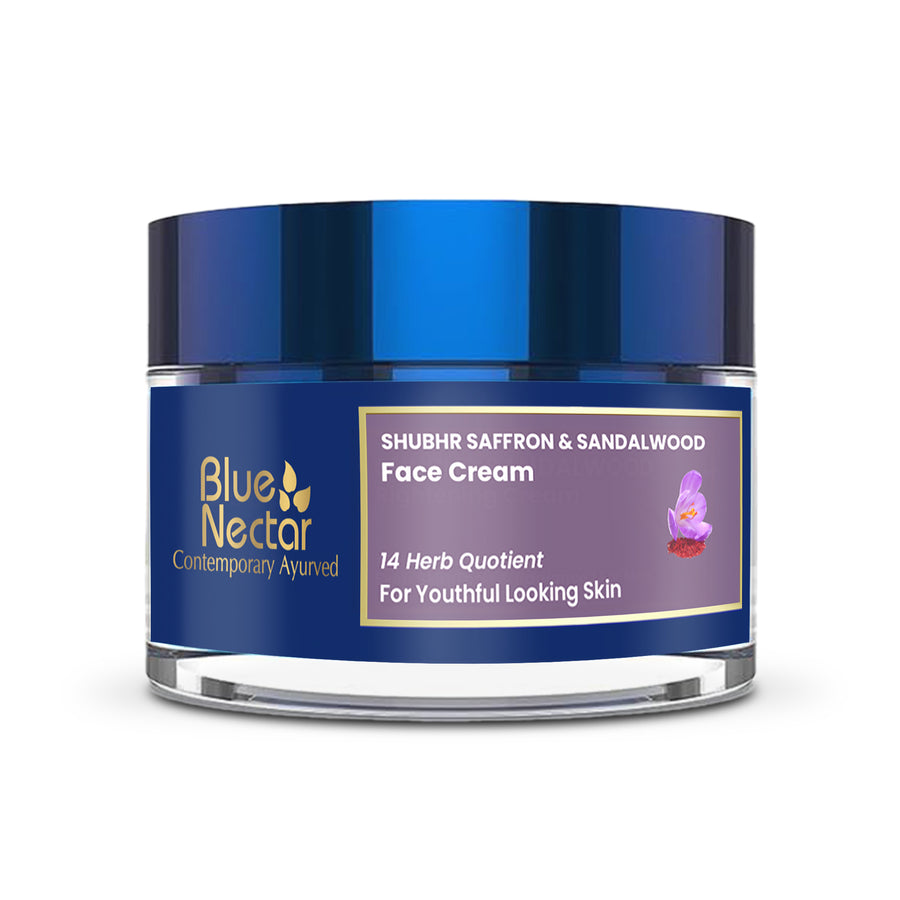
Ayurvedic skincare also offers face creams which you may prefer if DIY remedies aren't your preference, crafted with cow ghee, saffron and a blend of herbal ingredients that provides intense hydration, skin glow and firmer appearance.
4. Under-Eye Nourishment
A small amount can help dryness around eyes when used occasionally.
Ghee for Hair

Using ghee for hair is an ancient practice still popular in Ayurvedic hair care.
Deep Conditioning
Ghee coats hair strands, reducing dryness and roughness.
Improves Scalp Health
Ghee naturally nourishes the hair and may increase strength and prevent breaking due to dryness.
Adds Natural Shine
Using ghee regularly will provide more shine to the hair.
Reduces Frizz
The fatty level and nutrients help control frizz by helping to seal moisture into hair shafts
Supports Hair Strength
There are many traditional beliefs about using ghee for strengthening the hair, thus avoiding damaged hair caused by dryness.
How to Use Ghee for Hair
1. Ghee Hair Mask
Heat some ghee and rub your scalp and all of your hair with it. Let it sit for about 30 minutes to an hour before washing it out with a light shampoo.
2. Split-End Regrowth Treatment
Use a very small amount on just your split ends. Take a small amount of Ghee (pea-size) and warm it between your fingertips followed by a gentle application only to the dry or damaged hair ends.
3. Weekly Deep Condition
Mix together ghee and coconut oil in equal parts (1 tablespoon each) and use it once every week for softer hair. Using ghee for hair should be sufficient if done once or twice per week.
Ayurvedic Perspective
Ayurvedic practitioners view ghee as a strong "Rasayana" or rejuvenating substance.
According to Ayurveda:
-
Ghee balances Vata dosha, which is known for its dryness properties.
-
Nourishes your body's tissues (Dhatus).
-
Ghee increases the softness of the skin and the vitality of the hair.
-
Ghee supports both internal and external lubrication.
According to an older 2009 study, cow ghee offers benefits for all the body’s systems. It’s considered amrita, or nectar, in Ayurveda.
Ayurveda views true beauty as a result of a balanced internal environment and ghee supports this balance naturally.
Which Ghee Is Best for Skin & Hair?
If you're looking to maximize the benefits that ghee has on your skin and the effectiveness that ghee has on your hair, choosing a quality ghee is essential.
A2 cow ghee is a traditional choice in Ayurveda when it comes to ghee because A2 cow ghee is packed with Vitamins A and E, which help with skin repair and hydration. Since bilona (traditionally churned) ghee is made over a longer period of time, it retains more of its nutrients and makes for an excellent choice for both moisturizer and conditioner.
Grass-fed ghee has a greater concentration of antioxidants and has beneficial fatty acids that can help shield the skin and scalp from environmental damages and dry skin. Studies have also demonstrated that cow ghee does have anti-inflammatory and antioxidant properties, which corroborates the use of ghee in skin-care.
When purchasing ghee be sure that it’s:
-
Pure, traditionally made ghee.
-
Grass Fed or Organic source.
-
Without additives and without artificial processing.
The use of pure ghee will also help you receive maximum benefits from the use of ghee for the skin as well as to enhance the shine and nourishment of your hair when ghee is used as a hair treatment.
Who Should Avoid Using Ghee?
Many people are aware of ghee's skin and hair advantages, but those with oily or acne-prone skin should avoid it if they can.
Acne-Prone or Oily Skin
If you have acne-prone or oily skin, you should be careful when applying ghee to your face because its thickness can cause pores to become blocked and lead to breakouts.
Fungal or Oily Scalp Conditions
Ghee can be beneficial for people with fungal infections or extremely oily scalp conditions, but using ghee could aggravate these conditions by providing extra weight to the hair/ scalp and is sometimes the cause of scalp discomfort.
Dairy Allergy and Sensitivity
Ghee has hardly any lactose content, however those with dairy allergies must do patch testing prior to applying ghee on skin or scalp.
Always Do a Patch Test
When you’re just going to use ghee, first apply some to your inner arm and wait 24 hours. This helps ensure that you can enjoy the benefits of ghee for skin or ghee for hair without causing any irritation to your skin or scalp.
FAQs
Can you consume ghee orally to benefit your hair?
A diet that’s rich in healthy fats and fatty acids can mean that your hair looks better in the long run. Adding ghee to your diet is a delicious alternative to butter. But eating ghee as a supplement is unlikely to create a marked difference in the way that your hair looks.
Can you use Ghee Directly on Your Face?
Yes! Yes! Older generations recommend that you can use ghee as a facial moisturizer and keep your skin feeling soft and hydrated. Most people can apply ghee directly onto their face without any issues. Those who have oily or acne-prone skin may have to limit their usage, depending on their skin type.
How many times can you use ghee for healthy hair?
Using Ghee for healthy hair is great to do at least once or twice weekly, depending on your needs. Ghee is an excellent pre-poo treatment that adds moisture and shine to the hair and also helps reduce the effects of dry skin and/or dry hair.
Can ghee help moisturize dry scalp?
Using ghee on the scalp can help hydrate a dry scalp and reduce flakes when used as a gentle scalp massage oil.
Can ghee improve skin glow?
Utilizing ghee can make your skin feel softer and provide a natural glow through deep nutrition of the skin and creating a protective barrier for the skin.
Can ghee be used by people who have different types of hair?
Ghee is an excellent option for dry, frizzy and/or damaged hair. If a person has an extremely oily scalp they may want to use less ghee than others or only use ghee occasionally.
Conclusion
For centuries, ghee as a traditional therapeutic remedy has been considered to be an excellent moisturizer for the skin, producing a softer feel and helping to maintain healthy skin. Beneficial for both skin and hair. Ghee can help improve the condition of dry hair, nourish the scalp, and give your hair the lost shine.
When used in moderation and purest form of ghee, it can be easily and naturally incorporated into your daily skin and hair care rituals. With the mix of vitamins and healthy fats found in ghee, it has been used as a remedy to keep your skin and hair healthy and glowing.
Recommended Products
Ayurvedic Products for Hair & Skin with Ghee
References
https://pmc.ncbi.nlm.nih.gov/articles/PMC10789628/
https://www.healthline.com/health/ghee-benefits-for-skin
https://ayurved.dpu.edu.in/blogs/ayurvedic-health-benefits-of-ghee
https://www.sciencedirect.com/science/article/pii/S0975947623001365
https://www.shreeradheydairy.com/a2-cow-desi-ghee-ayurveda/
https://www.researchgate.net/publication/235738448_Shata_-_Dhauta_-_Ghrita_-_A_Case_Study
https://www.sattvicfoods.in/blogs/news/the-bilona-ghee-process


Leave a comment