



Ayurvedic Skincare During Pregnancy: What’s Safe, What to Avoid, and What Truly Works
| Authored by: Adeeba |
| Reviewed by: Kapil Dhameja |
| Estimated Reading Time: 5 minutes |
Pregnancy has always been viewed as a sacred, sensitive experience within traditional forms of care, notably Ayurveda. While some may view pregnancy as an opportunity for "repairing" or "transforming" the female body, Ayurvedic principles regard it as a time of protection, nourishment and balance.
The purpose of providing skin care during this time was never about "correcting" or "enhancing" a woman's physical appearance, but rather to promote harmony in order to support the changing mother without disturbing her natural rhythms. Careful consideration was given to the oils used on her body, and the herbal applications were kept to an absolute minimum with very little experimentation with either of these categories in terms of number of applications, types and techniques employed.
If you take time today and integrate some ancient Ayurvedic knowledge into your daily routine during your pregnancy, there is compelling evidence to suggest that you will benefit from the experience of simplicity over stimulation, gentleness over intensity and consistency over fashion.
|
Table of Contents |
Understanding Pregnancy Skin Through Ayurveda

Skin is seen by Ayurveda as part of the larger body. It is considered to be a part of Rasa Dhatu, the fluid component of the body, and can therefore provide insight into a pregnant mother’s digestion, circulation, hormones, and emotional well-being. Each of these systems will change dramatically during pregnancy, Ayurveda classifies these changes as Dosha dominance (excess of one of the three body energies: Vata, Pitta or Kapha), Dhatu nourishment, and Agni (the energy needed to digest food), but will do so differently over the course of each trimester.
Ayurveda explains this process through Garbhini Paricharya, the Ayurvedic method for taking care of yourself during your pregnancy. The primary goal of this style of pregnancy care is to help ensure the best possible environment for the newborn baby, even if it means sacrificing excessive nourishment or beauty for yourself.
As pregnant women are still growing a healthy baby, the flow and nourishment of Rasa Dhatu to their skin may be altered (unbalanced) by the actions of the body that occur to nourish the baby.
Additionally:
1. Pregnancy related changes in hormonal levels are correlated to an increase in the presence of excess Dosha.
2. The digestive capacity (Agni) is disrupted and fluctuates in strength.
3. Any excess Ojas (the energy that gives strength to an individual) found in the body is used to nourish the developing fetus, not to maintain cosmetic vitality.
Let’s explore how this process works in each trimester.
First Trimester (0–12 weeks): Vata Dominance & Skin Instability
Vata governs the first trimester of pregnancy and plays a key role in movement, cellular division, implantation and the early stages of fetal development. Vata is dry, light, cool and irregular in nature. The aggravation of Vata during this trimester has a direct effect on the skin.
Skin According to Ayurveda
-
Dehydration/Dryness
-
Sudden acne or flare-ups (mainly hormonal)
-
Increased sensitivity or irritation
-
Dull skin, lacking glow
-
Itching without a visible rash
Why does this happen- According to Ayurveda
Due to vomiting, nausea and decreased appetite, the Rasa Dhatu becomes unstable
Agni (digestive fire) becomes weak (manda), resulting in incomplete nourishment.
Vata will disturb the micro channels (srotas) that supply the skin.
From an Ayurvedic perspective, acne at this time is not due to 'excess oil,' but rather due to improper metabolic processing of Ama (toxins), which accumulate in the skin because of the combination of Ama and Pitta.
Ayurvedic Insight During this time, the use of any aggressive skin care products will only worsen the imbalance. Ayurveda advises to avoid aggressive skin care products and instead advises that skin care be done with gently nourishing products (snigdha), rather than correcting.
Second Trimester (13–26 weeks): Pitta Rises & Pigmentation Appears
Increasing Pitta Dosha indicated a rise in the elements of Heat, Digestion, Circulation and Transformation. As Digestion becomes balanced, Circulation improves - but Heat within the body continues to increase.
Ayurvedic skin manifestations:
-
Melasma / chloasma (the "mask of pregnancy")
-
Increased tanning and/or discolored patches
-
Warm to the touch (flushed, red)
-
Occasional inflammatory acne
-
Hypersensitive to the sun and/or heat
Pitta is the element that governs Rakta Dhatū (Blood) which in turn nourishes the Skin
Yakrit (Liver), which is also a Pitta organ, becomes more active; thus affecting Pigmentation as well.
According to Ayurveda, hyperpigmentation is not just a cosmetic flaw; it is a sign that Rakta-Pitta is out of balance. When the rise of internal heat increases, the body creates Melanin to protect itself from damage.
Ayurvedic wisdom: During this time, it is essential to provide your skin with cooler, calming, and protecting alternatives. Without suppressing your skin's own natural smartness.
Third Trimester (27–40 weeks): Kapha Dominance & Structural Changes
In the last trimester, the Kapha Dosha is in charge of all aspects of the body: it governs growth, moisture, structure, and the capacity to hold fluids in the body. The main focus of the body is to grow and develop the tissues that are needed to deliver your baby and support your strength.
Ayurvedic Skin Manifestations
-
Stretch marks (Kikkisa)
-
Puffiness or edema
-
Oiliness or clogged pores
-
Reduced skin elasticity
-
Occasional itching due to stretching
Why This Happens
-
Kapha increases the amount of fluid retained in the body and makes you feel heavier.
-
The mamsa (muscle) and meda (fat) dhatus are rapidly growing in size.
-
The skin stretches quicker than the elastic limits of the skin.
Ayurveda views stretch marks as a failure of the skin's ability to react quickly to the rapid expansion of the Kapha-Mind body (Kikka) type and not simply a topical problem.
Ayurvedic Insight- t is just as important to provide external nourishment (Abhyanga) as it is to provide internal nourishment, since the use of oils is not only for cosmetic reasons, but also for strength, flexibility, and vata pacifying purposes to prepare you for labor.
Ingredients to Use and to Avoid During Pregnancy
In Ayurveda, skin care ingredients aren't only classified as natural or chemical, but instead are evaluated based on their guna (qualities), virya (potency), vipaka (post-digestive effect) and actions on doshas, particularly on Pitta and Rakta dhatu during pregnancy; both of which will already be over-stimulated.
An ingredient could have numerous benefits to your skin, however can become unusable if it has tikshna (sharp), ushna (hot), or lekhana (scraping) properties.
Ayurvedic skincare ingredients that are typically safe for use on pregnant women are all sheeta (cooling), snigdha (nourishing), mridu (gentle), and assist with barrier repair, hydration, and calming of Pitta- supporting the overall physiology through all stages of pregnancy.
Ayurvedic Ingredients Generally Safe to Use During Pregnancy

1. Ghrita-based Ingredients (Infusions of clarified butter)
In Ayurveda, Ghrita is considered samskara anuvartana and has medicinal properties deep into the tissues without burning them externally; therefore, it is effective at treating the most common issues related to pregnancy including dryness, itching, and barrier compromise, particularly in the second and third trimesters when Vata's dryness will be at its highest.
2. Kumari (Aloe Vera - Mild, Non-Concentrated)
-
Sheeta & Pitta Shamaka
-
Beneficial for inflammation, pigmentation, and dehydration.
-
Best to use in raw gel or lightly processed form.
-
Not good for use in concentrated extract form.
3. Chandana (Sandalwood)
-
Rakta Pitta Pacifying
-
Helps pregnancy-induced heat, rashes, and pigmentation.
-
Traditionally used in lepana (topical pastes), especially in warmer climates.
4. Yashtimadhu (Licorice - Topical Use Only)
-
Varnya (improves complexion) and soothing.
-
Helpful for melasma and irritation when used externally.
-
Should not be used internally without medical supervision.
5. Oat, Rice and Milk Derivatives
-
These are brimhana (nourishing) and balya.
-
Support skin softness and barrier integrity.
-
Excellent for dryness, itching, and sensitivity.
6. Sesame Oil (Til Taila - Use in Moderation)
-
Deeply nourishing and Vata-reducing
-
Best for body care, not acne-prone facial skin.
-
Traditionally recommended for abhyanga during pregnancy.
Ingredients That Require Caution or Are Best Avoided
Ushna, tikshna, or prabhava-shali (strong acting) substances may aggravate Pitta, Rakta, or have systemic stimulating properties and should be completely avoided for use during pregnancy, as outlined in the principles of Ayurveda.
1. Kesar (Saffron) - Topical Application Not Recommended
Extremely Ushna and penetrating. Also, although it has many positive qualities, classical Ayurvedic texts recommend its use with caution because it stimulates rakta.
2. Bakuchi (Psoralea Corylifolia)
-
Highly photosensitizing and heating
-
Commonly used for pigmentation but contraindicated in pregnancy
3. Manjistha (Rubia Cordifolia)
-
Powerful Rakta shodhaka (blood purifier)
-
Internally and externally stimulating, better avoided during pregnancy
4. Neem (Nimba) - concentrated extracts
-
Tikta (bitter) and lekhana
-
Can worsen dryness and sensitivity during pregnancy.
-
Mild formulations may be tolerated, but regular use is discouraged.
5. Essential Oils with Strong Virya
Examples: camphor, clove, cinnamon, rosemary.
-
Very volatile and penetrate easily.
-
Ayurveda classifies these as prabhava-driven substances, meaning their action may bypass normal pathways.
6. Fermented or alcohol-based Ayurvedic formulations (Asava/Arishta derivatives in skincare)
Even topical exposure is traditionally avoided during pregnancy due to sukshma (subtle systemic absorption)
A Crucial Ayurvedic Principle Often Missed
Ayurveda does not support the idea that “if it’s herbal, it’s safe.” Pregnancy is a time for the mother to provide nourishment and safety for her child (garbha-sanskar) and not a time for detoxification, stimulation, or correction, so skincare during pregnancy should be designed to provide:
-
Shamana (calming) rather than shodhana (cleansing/detox).
-
Repairing the skin barrier rather than correcting the skin barrier.
-
Gentle nourishment rather than aggressive treatments.
This is why many traditional Ayurvedic formulations that are used for treating acne, pigmentation, or anti-aging have been put on hold or modified during the course of pregnancy.
Pregnancy-Safe Ayurvedic Skincare Routine
Ayurveda believes in simple and easy skin care routines that work with the body’s natural intelligence instead of complicated skin care regimens based on ‘perfection’ during pregnancy or before.
In Ayurveda, the purpose of skin care during pregnancy is to create and maintain a supportive environment for the woman’s skin, which will support and allow it to realign to its new state as a result of the woman’s body going through internal changes.
Morning Routine: Cooling, Protective & Grounding
A routine that acknowledges all Dosha transitions, acknowledges that the woman will have greater sensitivity towards her skin, preserves Ojas, and can be used with today’s busy lifestyles, includes the following:
1. Gentle Cleansing (Mridu Shodhana)
A daily soap-free cleanser (may also use the following options):
-
Besan/milk or Besan/water (a very gentle cleanser)
-
Rinse with either oat or rice water
Over-cleansing is not necessary and may be done once a day most times.
Ayurvedic Reasoning: Over-cleansing the skin will aggravate the vata Dosha, which will lead to dry,sensitive skin and premature aging of the skin during pregnancy.
2. Toning & Hydrating
-
Rose water or vetiver-infused water
-
Can be lightly splashed or applied with clean hands.
Ayurvedic reasoning: Hydrosols (rose water) help to reduce Pitta, hydrate Rasa Dhatu, and help to (because of the cooling effect of applying these products to the skin) decrease the amount of pigmentation caused by heat.
3. Moisturize
Choose oils or creams based on your dominant pregnancy skin state:
-
If your skin is dry or itchy, use almond or ghee-based creams.
-
If your skin is hot or pigmented, use coconut oils or aloe vera-based gel creams.
-
If your skin is sensitive to stimuli, use minimally formulated and fragrance-free products.
Always apply in thin layers while your skin is slightly damp.
4. Protect Yourself from the Sun
To provide the best protection from the sun, use mineral-based sunscreen, like zinc oxide and/or titanium dioxide.
Ayurveda historically emphasized physical protection from sun, which aligns well with mineral sunscreens today.
Evening Routine: Repair & Rejuvenation
1.Light Cleansing
Using One of Two Methods:
-
Rinse with lukewarm water or use the same gentle cleanser.
-
Avoid hot water- it increases Pitta and Vata.
2.Self-Massage - Modified for Pregnancy (Abhyanga)
-
Use warm (not hot) oil
-
Focus on arms, legs, belly.
Oils traditionally used:
-
Almond oil
-
Coconut oil (especially in warmer climates)
-
Ghee-infused oils
Ayurvedic Benefits are:
-
Helps to maintain skin elasticity
-
Helps regulate both Pitta and Vata dosha
-
Nourish deeper tissues (Mamsa & Meda dhatu)
-
Helps to strengthen mental calmness
Use gentle, slow strokes - never deep, or forceful.
3.Targeted Care
-
Stretch-prone areas: consistent oil massage
-
Pigmentation: mild aloe or manjistha-based formulations
-
Itching: cooling herbs, avoid scratching
What this Routine Avoids
-
Over-layering of products
-
Active-heavy routines
-
Frequent exfoliation
-
“Fix-it-fast” treatments
Because pregnancy skin is responding, not malfunctioning.
Common Pregnancy Skin Concerns & DIY Ayurvedic Solutions
In Ayurveda, skin troubles related to pregnancy indicate a change inside the body. Skincare for pregnancy is done with the body’s greater healing process in mind and includes cooling, nourishing, protecting, and providing patience while the larger functions of the body take place.
1. Acne & Break Outs (Most Commonly in First & Third Trimesters)
The major cause of this is Pitta and has additional support from the Kapha dosha. Acne is due to an increase in heat, increased oil production, and blocked channels (Srotas) and can be caused by hormonal activity that interrupts the regular shedding of skin cells.
The most common areas affected include the jaw line, cheeks, chin, and sometimes the back.
Ayurvedic Treatments Include:
-
Applying non-oily cooling hydrating agents to the skin.
-
Avoiding dietary or lifestyle habits that create heat (ex. Hot water, spicy foods, and harsh cleansers)
Some examples of DIY Ayurvedic treatments for coping with pregnancy acne are:
1. Pure and unscented aloe vera gel - It helps soothe inflammation, reduce redness, and support skin healing without clogging pores. A thin layer on clean skin is usually enough.
2. Rose water compress - Calm heat and sensitivity, easing redness and irritation when applied with a cotton pad, especially during flare-ups.
3. Sandalwood paste (very mild, occasional use) - used very mildly and only occasionally, can help cool inflamed spots. It should be applied briefly and only on active acne, as pregnant skin is more sensitive.
Things to avoid:
-
Scrubs
-
Clay Masks That Over-Dry
-
Lemon, Neem Paste and/or Strong Antibacterials
Ayurveda’s first priority is to calm inflammation, not to dry out acne.
2. Hyperpigmentation & Melasma
Ayurvedic understanding:
-
Pitta dominance with liver-related heat
-
Hormones increase melanin sensitivity
-
Sun exposure worsens pigmentation
Ayurvedic Treatment Plan:
-
Cooling
-
Protect from sun.
-
Nourish gently.
DIY Support
-
Aloe Vera. Rose Water
-
Milk-Soaked cotton compression
-
Licorice-infused water, used very mildly, can help reduce pigmentation by gently calming excess melanin activity and brightening the skin, without affecting sensitive pregnancy skin.
Why it’s important to follow this principle of Ayurveda:
When you try to erase pigmentation while pregnant, it usually has the opposite effect you expect. Ayurveda is about preventing or stopping further darkening of the skin and not getting rid of pigmentation overnight.
3. Dryness, Tightness And Itching
Ayurvedic understanding:
-
Vata increase due to rapid tissue stretching
-
Reduced natural lubrication
-
Skin elasticity under stress
Common areas include the stomach, breasts, thighs and arms
Support Methods:
-
Regular abhyanga (oil massage)
-
Lukewarm water only
-
Occlusive hydration
DIY Support Options:
-
Almond oil massage
-
Use coconut oil if itching
-
Oatmeal water rinse
Avoid:
-
Hot showers
-
Soap-based body washes
-
Exfoliating too often.
4. Stretch Marks (Striae Gravidarum)
1. Quick Growth of Tissues (Dhatus)
The rapid growth of the Mamsa Dhatu (muscle) and Meda Dhatu (fat) during pregnancy causes the skin to stretch much faster than usual.
2. Vata Dosha Aggravation
Having Vata Dosha aggravated is a result of the fast growth of tissues; Vata is responsible for movement within the body and is responsible for keeping your skin hydrated, flexible, and elastic.
3. Damage to Skin
As Vata is aggravated and causes your skin to get less flexible, the deeper layers of your skin become damaged, resulting in stretch marks.
4. Genetics as a Factor
In addition to the above factors, genetics play an important role in the formation of stretch marks (according to Ayurveda Beeja Dosha). An individual who is naturally predisposed to having weaker skin is much more likely to develop stretch marks during pregnancy than someone who is not.
Supportive Care (not a preventative claim):
-
Daily oil massage (most importantly stick to it).
-
Gently rub in a circular motion.
Commonly used oils:
-
Almond Oil
-
Coconut Oil
-
Ghee based formulations.
Ayurveda teaches that postpartum recovery, elasticity & comfort is more important after giving birth.
Niraa Cocoa Butter Stretch Mark Removal Cream Body Lotion for Skin Firming and Moisturization
5. High Sensitivity and Reactivity of Skin
Ayurvedic understanding:
-
Heightened nervous system sensitivity (Vata)
-
Lower tolerance to fragrance, actives, and temperature changes
Signs:
-
Sudden irritation from usual products
-
Redness without visible cause
-
Burning or tingling sensations
Ayurvedic Response:
-
Reduce routine to basics
-
Avoid experimentation
-
Use single-ingredient products when possible
DIY Soothers:
-
Rose water compress
-
Aloe gel
-
Plain milk compress (traditional calming agent)
6. Discoloration of the Areolae, Inner Thigh and Neck
Ayurvedic view:
-
Hormonal signaling, not disorder
-
Increased melanin is protective and temporary
What Ayurveda Advises:
-
No aggressive treatment
-
Gentle cleansing
-
Cooling oils
This pigmentation usually fades naturally postpartum.
7. Mild Swelling and Puffiness Around the Face
Ayurvedic Viewpoint:
-
Kapha imbalance,
-
Fluid retention with our blood circulation being affected.
How to Support your Body:
-
Cold rose water splashes.
-
Use a little elevation under your head when sleeping.
-
Gentle massaging of the face (extremely gentle).
Things to Avoid:
-
Strong lymphatic massage.
-
Using pressure devices.
-
Using facial technology.
Ayurveda teaches patience, softness, and respect for the body’s intelligence. Skin during pregnancy is communicating internal priorities, and the goal is to listen, not overpower.
FAQs- Frequently Asked Questions
Is It Safe to Use Kumkumadi Oil During Pregnancy?
Kumkumadi oil is known to be powerful for treating skin discolorations, but due to the increase in sensitivity of pregnancy skin, it may cause irritation. Since Kumkumadi has numerous warm and active herbs, these could further irritate already aggravated Pitta, so some women may tolerate its occasional and very light use after it is patch-tested; however, most women will benefit from stopping their use and resuming it after giving birth, when their skin will be much more stable.
Why Am I Suddenly Reacting to Products I Have Always Used?
Pregnancy hormones increase the skin’s sensitivity and reactivity. From an ayurvedic point of view, both Vata and Pitta will have increased levels, causing the skin to become thinner and therefore more reactive to any product(s) than it was before. This is your signal to simplify rather than frequently switch from one item to another.
Are all Ayurvedic or herbal products safe to use during pregnancy?
Not all. Ayurveda itself advises against using any strong heating or penetrating herbs during pregnancy. Therefore, products that contain either neem, camphor, or essential oils may irritate overly sensitive skin as well. Therefore, products that are intended for use during pregnancy should contain gentle and nourishing formulas rather than corrective ones.
The question of treating or not treating pregnancy pigmentation
The consensus from an Ayurvedic perspective is to manage pigmentation gently rather than to try to remove it. Melasma, a pigmentation condition that is primarily driven by hormonal changes, may get worse with aggressive treatment. Rather than actively trying to lighten pigmentation, the use of sun protection, hydration, and support of the skin's barrier can be more effective means for managing the condition during pregnancy.
How many times per week should I use oils on my face and body?
Daily application of body oils to nourish the body’s tissues and help to reduce Vata imbalances. The use of oils on the face should be lighter: 2-3 times per week should be enough to prevent excess oil from clogging pores and making pregnant women more sensitive than normal.
Are DIY Remedies Better Than Over the Counter Remedies?
Only when they are very simple and do not contain any potentially irritating ingredients. Regular kitchen ingredients can cause irritation with any pregnancy. Ayurvedic principles favor consistency and gentleness over experimentation, whether you are using commercial or non-commercial products.
Will skin problems associated with pregnancy resolve after childbirth?
Most skin problems associated with pregnancy will resolve post-partum when the body stabilizes its hormones. However, skin that has been protected and not overtreated during pregnancy will recover more smoothly.
Conclusion
Changes in skin during pregnancy are part of the body adapting; they are not linked to problems that need fixing. Instead, the way you care for your skin gently and consistently with protection is more important than using harsh products. Using a combination of Ayurvedic principles and modern science will help develop a safe, supportive and natural skincare routine during pregnancy that helps your skin adjust as your body develops a new life.
Recommended Products
Ayurvedic Mom & Baby Care Products
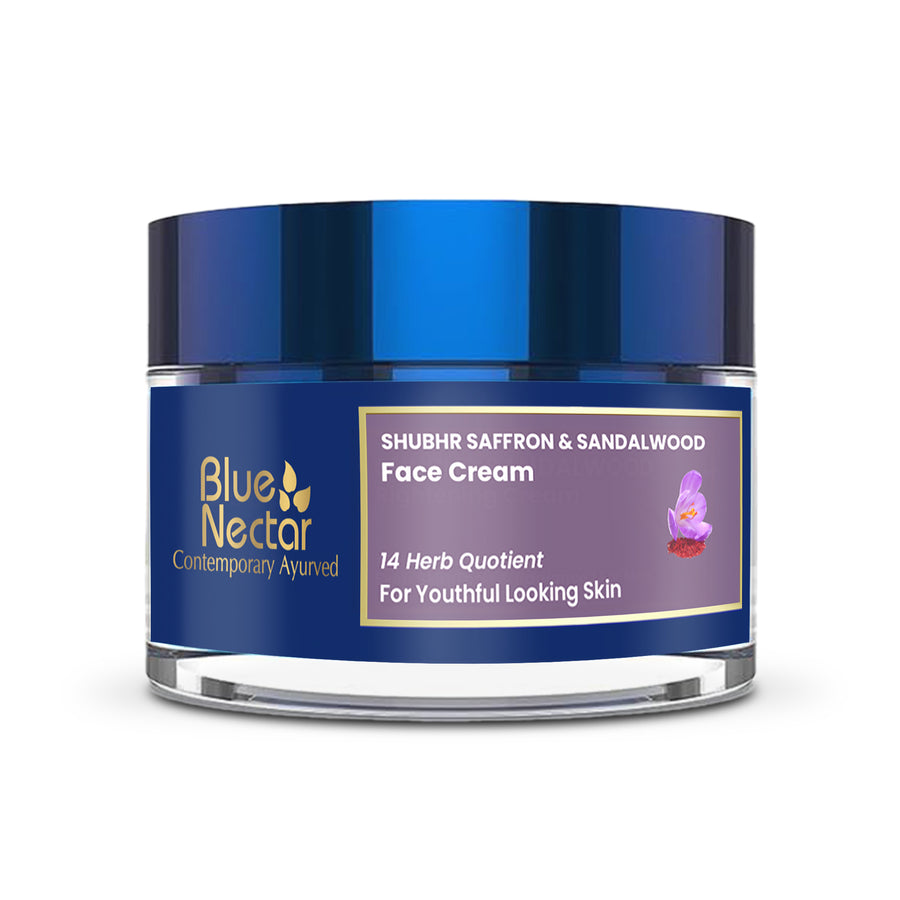
Ayurvedic Sandalwood Brightening Cream for Women
Women Shata Dhauta Ghrita Cream For Radiant & Youthful Skin
Related Articles
Prenatal & Postnatal Massage: A Mother’s Healing Journey
Baby Massage: Natural Sleep Solution for Baby
References
https://oneworldayurveda.com/blog/pregnancy-through-the-lens-of-ayurveda-a-comprehensive-guide/
https://www.medpulse.in/Ayurveda/Article/Volume1Issue1/Ayurveda_1_1_2.pdf
https://oneworldayurveda.com/blog/pregnancy-through-the-lens-of-ayurveda-a-comprehensive-guide/
https://www.osmosis.org/answers/chloasma
https://www.healthline.com/health/pregnancy/acne-remedies
https://www.healthline.com/health/pregnancy/acne-remedies
https://keralaayurveda.com/blogs/news/yashtimadhu-uses-benefits-side-effects
https://pmc.ncbi.nlm.nih.gov/articles/PMC7167735/
https://www.truemeds.in/ayurveda/skin-and-beauty-care/manjishta-182
https://academicjournal.ijraw.com/media/post/IJRAW-1-13-23.1_Yggo79p.pdf
https://amaltamara.com/blog/ayurvedic-self-care-practices-during-pregnancy/
https://yogamamastore.com/blogs/pregnancy-tips/how-to-practice-abhyanga-during-pregnancy


Leave a comment